A scientist crossed two plants with heterozygous maize genes - GED Prep
Question
A scientist crossed two plants with heterozygous maize genes and found out that its young plants had traits in the ratio of 9:3:3:1. The highest percentage of the offspring had a dominant gene while very few had recessive genes, implying that the traits have been inherited differently from each plant.
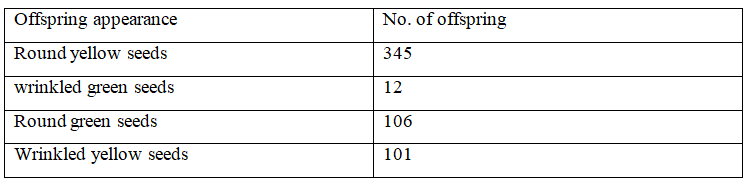
Another similar experiment was conducted using heterozygous beans seed for flower color and pollen shape. The results did not match the results 9:3:3;1 above. This means that some traits were never inherited independently. The results are as shown
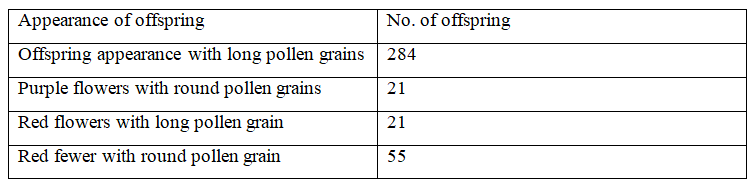
How does the second result affect the interpretation of the first scientist
Answers
-
correct
-
-
-
Explanation
The first experiment found out that the plant’s trait are inherited by the new offspring independently. The second investigation challenges the first one since the offspring ration did not match what had been observed in the first investigation. This implies that a few traits may be linked or inherited together rather than independently. Therefore, the findings of the first experiment were incomplete.
No Payment Cards Needed
Normally $120
$69/month
Subjects Included
- English Languages Art ( RLA)
- Mathematics
- Social Studies
- Science
Additional Features
- 4 GED® Subjects with Lessons and Practice Tests
- Over 2000 Practice Questions
- Over 2000 Quizzes in all Lessons
- Access to Exact answered Questions with explanations
- Detailed Analysis of Questions with Answers and Explanations
- 24/7 Live chat support
- 24/7 WhatsApp support
- One Full Month Access