Earthquakes produce seismic waves which can cause significan - GED Prep
Question
Earthquakes produce seismic waves, which can cause significant damage to man-made structures. The degree of damage generally depends on the intensity and duration of the shaking.
The seismogram below shows a record from a 6.6-magnitude earthquake off the coast British Columbia, Canada, on November 2, 2004. Three types of waves can be distinguished in this seismogram: P-waves (P), S-waves (S), and Rayleigh waves (R).
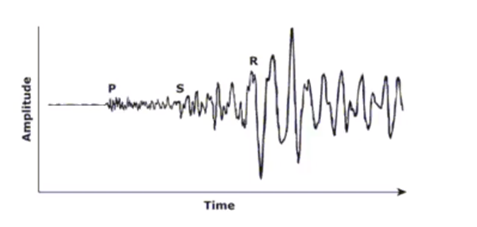
Based on this seismogram, which type(s) of waves cause the most damage to buildings and structures during an earthquake such as this one?
Answers
-
-
-
correct
-
Explanation
Based on this seismogram, the correct answer is:
R-waves, because they have the greatest amplitude.
Rayleigh (R) waves show the largest amplitude on the seismogram, indicating they carry the most energy. While P and S waves arrive earlier, R-waves' greater amplitude and longer duration of shaking typically cause the most structural damage during earthquakes. Their surface-level propagation also contributes to their destructive potential on buildings and infrastructure.
No Payment Cards Needed